Sightseeing
Explore Nubra Valley
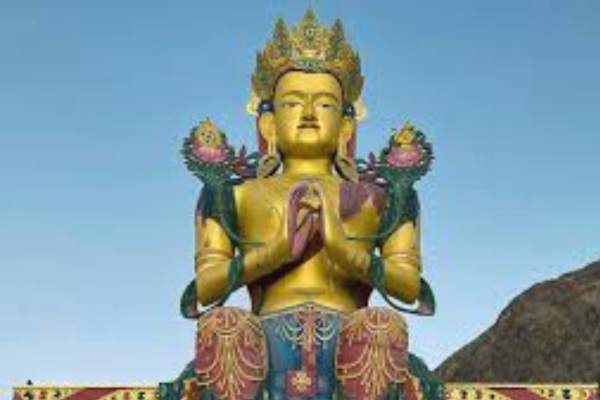
Diskit Monastery
Diskit Monastery, also known as Deskit Gompa, is the largest and oldest Buddhist monastery in the Nubra Valley of Ladakh. Founded in the 14th century by Changzem Tserab Zangpo, a disciple of Tsongkhapa (the founder of the Gelugpa sect of Tibetan Buddhism), the monastery is perched dramatically on a hilltop above the village of Diskit. Its strategic location offers breathtaking panoramic views of the Shyok River and the wide, arid landscape of the Nubra Valley. One of the main attractions of the monastery is the towering 32-meter-high statue of Maitreya Buddha, which was inaugurated in 2010. Facing the Shyok River, the statue symbolizes peace and protection for the valley and its inhabitants. The vibrant structure is visible from afar and adds a spiritual charm to the barren terrain.
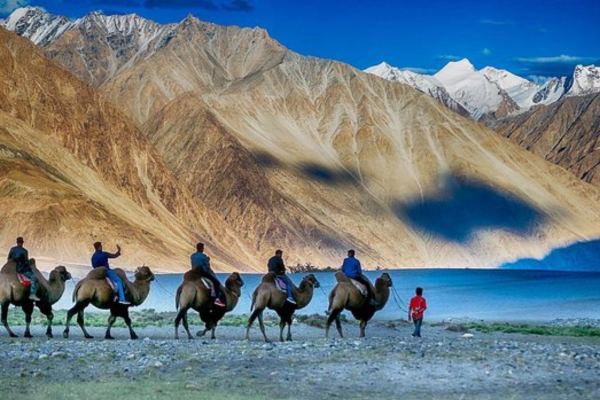
Hunder Sand Dunes
Hunder Sand Dunes, located in the heart of Nubra Valley, Ladakh, present a striking contrast to the surrounding cold desert landscape. Surrounded by snow-capped mountains and lush greenery, the golden sand dunes of Hunder appear like an oasis amidst the rocky terrain of the Himalayas. What makes Hunder especially unique is the presence of Bactrian camels, double-humped camels native to Central Asia, which once served as pack animals along the ancient Silk Route. Today, these camels offer short rides to visitors, giving a taste of travel from another era.
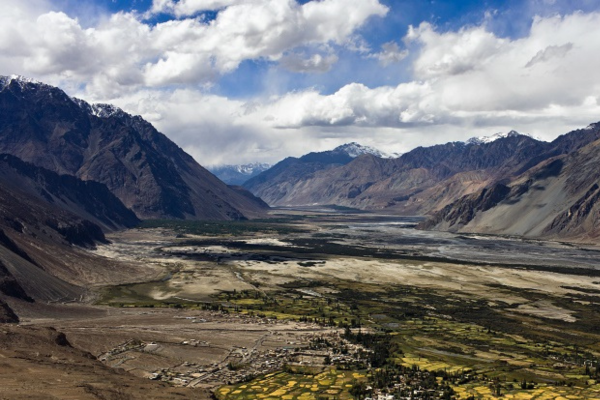
Panamik Hot Springs
Panamik Hot Springs, located in the scenic Nubra Valley of Ladakh, India, is a natural wonder renowned for its therapeutic properties and stunning surroundings. Nestled at an altitude of around 10,400 feet, the springs are fed by geothermal activity beneath the earth’s surface, resulting in warm, sulfur-rich waters believed to possess medicinal benefits. Many visitors claim relief from joint pain and skin ailments after soaking in these mineral waters. The hot springs are set against the backdrop of the majestic Himalayas, offering breathtaking views and a tranquil atmosphere. Despite the remote location, Panamik is accessible by road from Leh via the Khardung La Pass, one of the world’s highest motorable roads.
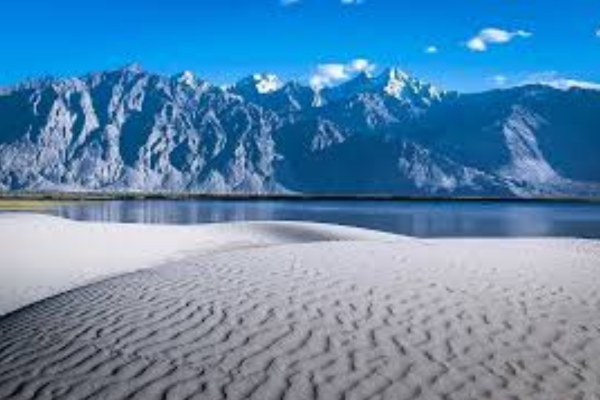
Sumur Village
Sumur Village, located in the scenic Nubra Valley of Ladakh, is a serene and culturally rich destination known for its traditional Ladakhi charm and natural beauty. Nestled on the banks of the Shyok River, Sumur is surrounded by rugged mountains, lush greenery, and a calm, peaceful atmosphere that makes it ideal for travelers seeking an authentic experience away from tourist crowds. One of the main attractions in Sumur is the Samstanling Monastery, a beautifully preserved 140-year-old monastery featuring vibrant murals, prayer halls, and a spiritual ambiance. It serves as a center of Buddhist learning and offers insight into the local religious traditions.
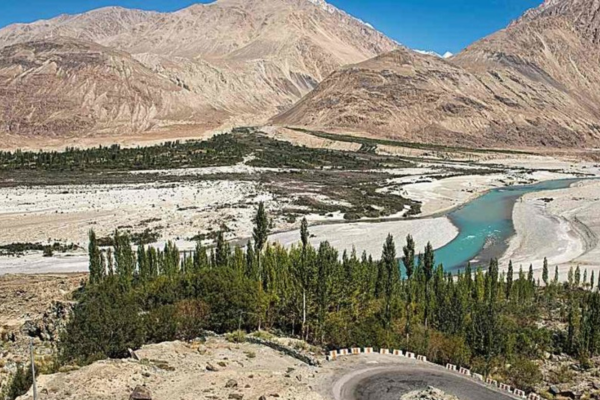
Shyok River
The Shyok River is a prominent river in Ladakh, flowing through the breathtaking landscapes of the Nubra Valley. Originating from the Rimo Glacier near the Siachen Glacier, the river runs parallel to the Indus before joining it near Skardu in Pakistan-occupied Gilgit-Baltistan. The name “Shyok” means “river of death” in the local language, referencing the river's unpredictable nature and treacherous currents during floods. The Shyok River adds dramatic beauty to the Nubra Valley, carving through stark mountain ranges and creating fertile lands along its banks. Its silvery-blue waters, especially striking against the barren desert backdrop, make it a photographer’s delight.
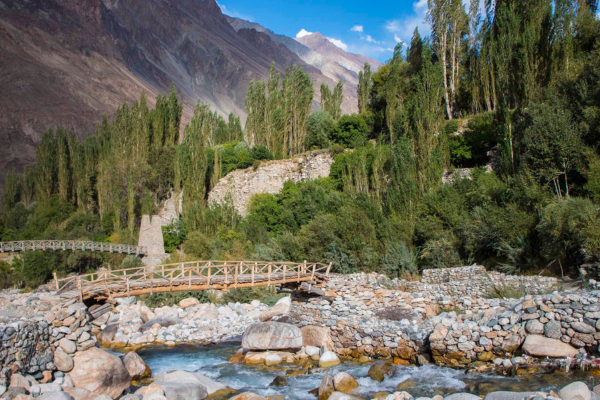
Turtuk Village
Turtuk Village, located in the Nubra Valley of Ladakh, is one of India’s northernmost and most culturally unique settlements. Nestled on the banks of the Shyok River, near the Line of Control with Pakistan, Turtuk was part of Baltistan until 1971, when it became part of India after the Indo-Pak war. This history gives the village a distinct Balti culture, language, and architecture that set it apart from the rest of Ladakh. The village is surrounded by dramatic mountain landscapes, lush green fields, and apricot orchards, making it a refreshing contrast to the cold desert terrain typical of Ladakh. Turtuk’s narrow lanes, stone houses with wooden balconies, and warm, hospitable locals offer a glimpse into a way of life that has remained largely unchanged for centuries.
Contact
Hunder Nubra Valley, Near Govt.
High School
+91 9820501211, +91 9320501211
info@thelossarresidencynubra.com
Gallery


